 By
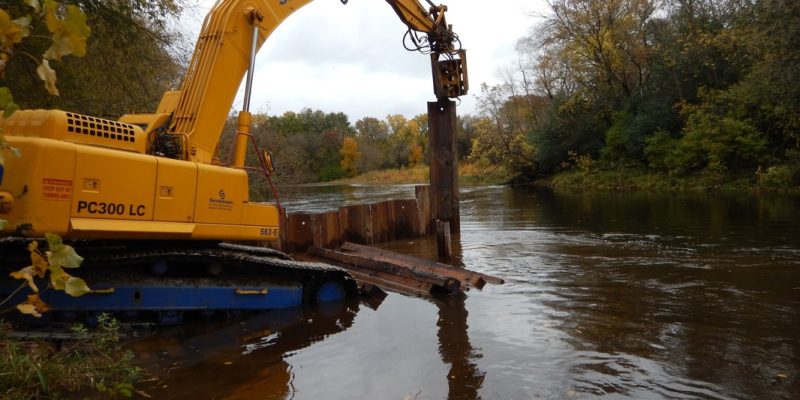
Excavation near water bodies presents unique regulatory challenges due to environmental concerns, water management considerations, and the need to protect ecosystems. Compliance with legal requirements is critical to preventing fines, project delays, and ecological damage. Authorities enforce stringent guidelines to ensure responsible excavation practices, balancing infrastructure development with environmental preservation. Understanding these regulations is essential for successful project execution.
Environmental Impact Assessments and Permits
Before initiating excavation near a water body, regulatory agencies typically require an environmental impact assessment (EIA). This process evaluates how the project may affect water quality, aquatic life, and surrounding ecosystems. Authorities consider factors such as sediment displacement, potential contaminants, and disruption of natural water flow.
Obtaining the necessary permits is a critical step in legal compliance. Permitting requirements vary depending on jurisdiction, but they often involve approvals from multiple agencies, including environmental protection departments and water resource management authorities. Delays in securing permits can halt excavation work, making early planning essential.
Sediment Control and Erosion Prevention
Regulations mandate strict sediment control measures to prevent excavation activities from polluting adjacent water bodies. Without proper safeguards, soil erosion and runoff can introduce excessive sediments, disrupting aquatic habitats and reducing water quality.
Authorities require contractors to implement erosion control techniques such as silt fences, sediment basins, and vegetative buffer zones. These measures help retain displaced soil, ensuring it does not enter nearby water sources. Compliance with erosion control standards is closely monitored, with non-compliance leading to potential penalties or work stoppages.
Wetland and Habitat Protection
Excavation near wetlands and protected aquatic habitats is subject to heightened scrutiny. These areas serve as critical breeding grounds for wildlife, contribute to water filtration, and act as natural flood barriers. Regulatory agencies impose restrictions on activities that could disrupt these delicate environments.
In many regions, excavation within designated wetland areas requires mitigation efforts, such as restoring affected ecosystems or creating artificial wetlands to offset any damage. Projects that fail to meet these obligations risk legal consequences and potential revocation of permits.
Water Quality Standards and Contamination Prevention
Strict water quality regulations govern excavation near rivers, lakes, and coastal areas. Authorities monitor projects to prevent the introduction of contaminants such as fuel, chemicals, and construction debris into natural water sources.
Regulations often require construction sites to implement spill containment strategies, including secondary containment systems for hazardous materials and proper waste disposal protocols. Regular water quality testing ensures that excavation activities do not compromise the integrity of the surrounding environment.
Floodplain and Hydrological Considerations
Excavation near water bodies must account for floodplain regulations and hydrological impact assessments. Authorities enforce zoning restrictions in flood-prone areas to prevent activities that could exacerbate flooding risks.
Projects that alter natural water flow patterns may require hydraulic modeling studies to assess potential downstream effects. Excavation that disrupts floodplains can lead to penalties or mandatory corrective measures if it increases the likelihood of erosion, flooding, or water stagnation.
Compliance with Navigable Waterway Regulations
Excavation near navigable waterways is subject to additional oversight to protect commercial shipping, recreational boating, and aquatic infrastructure. Regulatory agencies, such as the U.S. Army Corps of Engineers or equivalent authorities in other countries, oversee excavation projects that may affect waterway navigation.
Dredging operations, shoreline modifications, and underwater excavation require permits that consider navigational safety, sediment displacement, and potential impact on water depth. Non-compliance can result in severe legal consequences, including project shutdowns and financial penalties.
Best Practices for Regulatory Compliance
Successful excavation near water bodies requires a proactive approach to regulatory compliance. Early engagement with permitting agencies helps clarify project requirements and streamline approval processes. Employing environmental consultants ensures that excavation plans align with legal standards, reducing the risk of unforeseen obstacles.
Maintaining thorough documentation of compliance measures, including erosion control plans, water quality test results, and habitat protection efforts, provides a safeguard against regulatory disputes. By adhering to established guidelines and implementing responsible excavation practices, projects can proceed efficiently while minimizing environmental impact.