 By
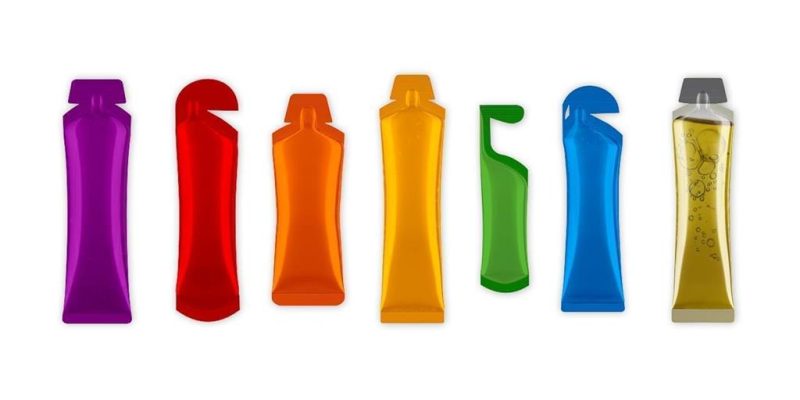
A product mixed carefully in a small laboratory batch may look, smell and perform exactly as intended. Producing thousands of identical units is a different challenge altogether. Businesses operating in this field, including Unette, work within processes where formulation, machinery, packaging and quality controls must remain aligned from the first filled unit to the last.
The Factory Process Changes the Product
Small samples are often blended by hand or with compact equipment. Ingredients can be added slowly, temperatures can be adjusted closely and the mixture can be inspected throughout the process.
Commercial production introduces larger vessels, faster filling lines and longer holding periods. These changes can affect viscosity, colour, fragrance and ingredient distribution. A gel that appears smooth in a small container may separate when mixed at scale. A liquid may foam when pumped through industrial equipment, making accurate filling more difficult.
The order in which ingredients are added can also become more important. Powders may clump, oils may fail to disperse evenly and heat-sensitive ingredients may deteriorate if the process takes longer than expected.
Pilot batches provide an opportunity to test these variables before committing to a full run. They should be large enough to reflect real manufacturing conditions rather than simply repeating the original laboratory method with slightly more material.
Define What Must Remain Consistent
A product specification should describe more than its ingredient list. It needs to identify the characteristics that determine whether each batch is acceptable.
Depending on the product, these may include:
- Colour, fragrance and appearance
- Viscosity or flow rate
- Fill weight or volume
- Acidity or alkalinity
- Ingredient concentration
- Packaging seal strength
- Microbiological limits
Acceptable tolerances should be agreed in advance. Demanding that every measurement matches a single exact figure may be unrealistic, but allowing too wide a variation can create noticeable differences between batches.
The specification should also explain how each characteristic will be tested. Descriptions such as “thick”, “pale” or “pleasant smelling” are open to interpretation. Reference samples, measurement ranges and approved testing methods give production and quality teams a common standard.
When something falls outside that standard, there should be a clear process for deciding whether the batch can be corrected, released under review or rejected.
Trace Every Ingredient and Packaging Component
Traceability allows a finished unit to be connected back to the materials and processes used to make it. This becomes vital if a defect, complaint or supplier issue is discovered later.
Every raw material should arrive with identifying information, including its batch number and relevant quality documentation. Packaging components need similar control. A leaking sachet, for example, may result from the formulation, the film, the sealing temperature or damage during transport.
Production records should show which material batches were used, when manufacturing took place, which equipment was involved and who completed the required checks. Finished goods should then carry a batch or lot code that links back to those records.
This level of detail is not excessive administration. Without it, a business may be unable to determine whether a problem affects one production run or its entire stockholding. Accurate traceability allows investigations and withdrawals to be targeted rather than unnecessarily broad.
Control Changes Before They Reach Production
Products rarely remain completely unchanged. An ingredient may become unavailable, packaging artwork may need updating or a supplier may recommend a different material.
Even apparently minor changes can have wider consequences. Replacing a fragrance may alter colour or viscosity. A different packaging film may require new sealing settings. Moving text on a label could obscure important instructions once the pack is folded or filled.
A formal change-control process ensures that proposed alterations are reviewed before they are introduced. The assessment should consider product performance, production efficiency, regulatory requirements, shelf life and existing stock.
Approved changes need to be communicated across all relevant documents. Otherwise, production may follow one specification while purchasing, artwork and quality teams work from another.
Version numbers and approval dates help prevent outdated instructions from returning to use.
Treat the First Run as the Start of Improvement
The first commercial batch provides information that no laboratory sample can fully replicate. Filling speeds, rejection rates, material waste and operator observations can all reveal opportunities to improve the process.
These findings should be recorded while they are fresh. Adjustments may be needed to mixing times, filling temperatures, packaging dimensions or quality checks before the next order.
Customer feedback can also expose practical issues. A product may be difficult to open, dispense unevenly or leave too much material inside the pack. These are not necessarily formulation failures, but they affect the customer’s experience just as strongly.
Moving from sample to full production requires disciplined preparation rather than a simple increase in volume. Clear specifications, traceable materials and controlled changes help ensure that a product remains consistent as output grows. The aim is not merely to manufacture more units, but to reproduce the same dependable result every time.