 By
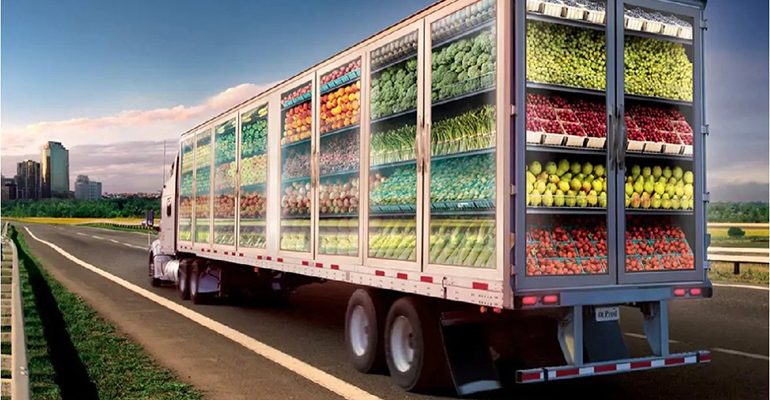
The modern global supply chain relies heavily on the ability to move perishable goods across vast distances without sacrificing quality or safety. Whether transporting delicate berries across international borders or shipping fresh seafood across continents, maintaining freshness requires a sophisticated blend of engineering, chemistry, and strict logistical discipline. Food spoilage during transit is driven by natural biological processes, including microbial growth, enzymatic degradation, and rapid moisture loss. Preventing these issues demands more than simple refrigeration. It requires a comprehensive approach known as the cold chain, where every link in the transportation network maintains exact environmental parameters. Mastering this process is the true secret behind how fresh produce, dairy, and meats reach supermarket shelves thousands of miles away in pristine condition.
The Core Elements of Temperature Control
Temperature management is the single most critical factor in preserving food during long-haul transport. Microorganisms multiply exponentially at ambient temperatures, while certain chemical reactions accelerate and ruin the taste and texture of fresh items.
-
Precise Refrigeration Units: Modern refrigerated trailers and shipping containers utilize advanced cooling units capable of maintaining exact temperatures down to a fraction of a degree. These systems must run continuously, even when the vehicle is idling or navigating extreme weather climates.
-
Pre-Cooling Cargo Spaces: Loading warm cargo into a cold trailer or placing cold food into a warm container introduces thermal shock. Transporters must pre-cool the entire shipping compartment to the target temperature before loading any perishable goods.
-
Thermal Insulation Barriers: High-performance insulation materials lining the interior walls of transport vehicles prevent external heat transfer from penetrating the cargo hold during extended journeys under direct sunlight.
Managing Atmospheric Composition
While temperature control slows down bacterial growth, managing the surrounding gas composition halts the natural ripening and decay processes of fresh fruits and vegetables. Modifying the atmosphere inside a cargo container creates a microclimate that puts produce into a state of suspended animation.
-
Controlled Atmosphere Storage: Logistics operators actively adjust oxygen, carbon dioxide, and nitrogen levels inside sealed shipping containers. Lowering oxygen and raising carbon dioxide slows down respiration rates in fruits, effectively delaying ripening.
-
Ethylene Gas Scrubbers: Many fruits naturally release ethylene gas, a hormone that accelerates ripening and rotting in neighboring produce. Installing potassium permanganate filters or active ethylene scrubbers cleans the circulating air and protects mixed loads from premature decay.
-
Humidity Regulation: Maintaining optimal relative humidity prevents dehydration and weight loss in leafy greens and moisture-rich fruits, while avoiding excessive dampness that encourages mold growth.
Strategic Packaging and Cargo Staging
How food is packed and arranged inside a transport vehicle is just as important as the climate control systems managing the ambient air. Improper stacking can block airflow and cause localized hot spots, leading to premature spoilage.
-
Airflow Circulation Channels: Pallets must be arranged with specific gaps and airflow channels to allow chilled air to circulate freely around every box. Blocking these pathways creates pockets of stagnant warm air that jeopardize the entire shipment.
-
Breathable Packaging Materials: Perishable items are typically packed in perforated cardboard boxes, vented plastic crates, or modified atmosphere packaging films that allow gases to exchange without letting moisture accumulate.
-
Segregation of Incompatible Goods: Transporting onions or apples alongside delicate items like leafy greens or dairy products can transfer strong odors or harmful ethylene gas. Strict segregation protocols ensure items with conflicting storage requirements travel in separate zones.
Real-Time Monitoring and Data Logging
Technology has revolutionized how supply chain managers oversee long-distance food transport. Gone are the days of relying solely on manual thermometer checks at the final destination.
-
IoT Sensors and GPS Trackers: Advanced internet of things sensors placed directly inside cargo crates provide real-time updates regarding temperature, humidity, and shock or vibration levels throughout the journey.
-
Automated Alert Systems: If a refrigeration unit malfunctions or internal temperatures begin to drift outside safe thresholds, automated alerts notify logistics managers immediately, allowing for rapid intervention before spoilage occurs.
-
Blockchain Traceability: End-to-end data logging creates an immutable digital ledger of the entire transit history, verifying that the food maintained optimal conditions from the farm gate to the retail distribution center.
Frequently Asked Questions
What happens if a refrigerated truck loses power during transit?
Drivers carry emergency protocols that include repairing the refrigeration unit on-site, transferring the perishable cargo to a backup vehicle, or utilizing dry ice curtains to maintain low temperatures until assistance arrives.
Why do some fruits require modified atmosphere transport while others do not?
Climacteric fruits like bananas and tomatoes continue to ripen after harvest and produce high amounts of ethylene, requiring specialized atmospheric control, whereas non-climacteric fruits like citrus require simple cold storage.
How do shipping companies prevent condensation damage inside containers?
Operators use specialized absorbent blankets, desiccant bags, and precise dew-point management systems to prevent moisture from condensing on the ceiling and dripping onto dry packaging boxes.
Can frozen foods and fresh produce be shipped in the same container?
Dual-temperature or multi-zone refrigerated containers feature physical bulkheads and separate cooling systems, allowing frozen goods to travel at negative temperatures alongside fresh goods requiring above-freezing chilling.
What role does container cleaning play in food safety?
Between every transport cycle, cargo containers must undergo rigorous sanitation using food-grade disinfectants to eliminate lingering bacteria, mold spores, and food odors that could contaminate subsequent loads.
How does airfreight differ from ocean freight in food preservation?
Airfreight is drastically faster, reducing transit times to hours instead of weeks, which minimizes the reliance on complex atmospheric controls, though it remains significantly more expensive than maritime shipping.
What is the cold chain break and why is it dangerous?
A cold chain break occurs when perishable food is exposed to unsafe temperatures during loading, unloading, or transfer stages, which triggers rapid bacterial multiplication and permanently degrades food quality.