 By
Rain changes the way a motorcycle behaves on the road. Braking distances can increase, cornering demands smoother inputs, and even familiar routes may feel less predictable. This is why tyre tread technology matters when roads turn wet. One feature that often gets attention is the 3D sipe, a small but carefully designed cut within the tread.
Does it genuinely help the tyre maintain grip in the rain, or does the technology sound more impressive than it performs? Let’s find out.
3D Sipes And Their Role In Tyre Treads
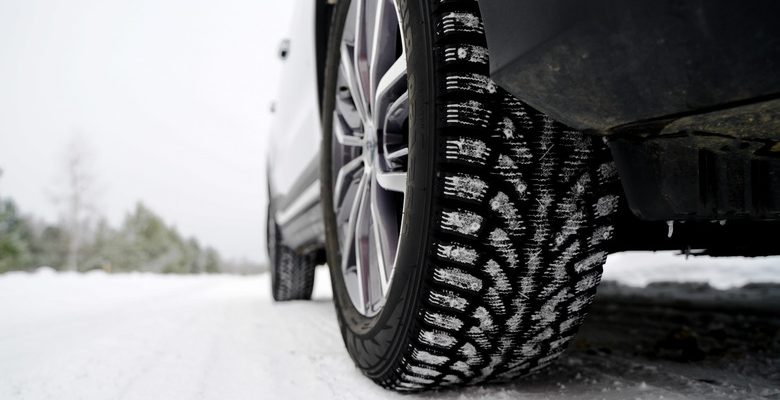
Sipes are narrow cuts formed within the tread blocks of a tyre. Traditional sipes are relatively simple slits. A 3D sipe has a more complex internal shape, which may feature interlocking or angled surfaces inside the tread block.
This design serves two purposes. The edges created by the sipes can interact with a wet road surface, while their three-dimensional structure can help limit excessive tread block movement.
That second part matters on a motorcycle. A tread block that flexes too much can make the tyre feel less precise during braking, acceleration or cornering.
How Are 3D Sipes Different From Regular Sipes?
The main difference lies below the visible tread surface. A conventional sipe can open and close as the tread block contacts the road. A 3D design may allow neighbouring surfaces inside the sipe to support each other under load. This can make the tread block more stable.
In practical terms, riders may benefit from:
- More controlled tread block movement.
- Additional biting edges on wet surfaces.
- Better support during braking.
- More consistent contact during changes in direction.
Do 3D Sipes Really Improve Wet Grip?
Yes, 3D sipes can contribute to wet-road performance when they form part of a properly engineered tread design. They are not a magic solution on their own.
On a wet surface, the tyre must maintain useful contact with the road despite the presence of water. Grooves mainly provide channels for water to move through the tread. Sipes add smaller edges that can help the tread interact with the road surface.
For riders searching for the best tyres for wet and dry grip, this distinction is worth noting. Good performance comes from several tyre features working together rather than one visible tread detail.
Water Displacement And Road Contact
Sipes and main tread grooves perform related but different jobs.
| Tread Feature | Main Role | What The Rider May Notice |
| Main grooves | Channel larger amounts of water | Better resistance to loss of road contact |
| Sipes | Add smaller contact edges | More confidence on damp surfaces |
| Tread blocks | Transfer riding forces | Stable braking and cornering response |
| Rubber compound | Creates friction with the road | Grip across changing conditions |
Tread Block Stability On Wet And Dry Roads
More cuts in a tread block can create extra edges, but they can also make that block more flexible. Too much movement is not desirable, especially when the motorcycle is braking hard or leaning through a bend.
This is one reason 3D sipe designs can be useful. Their internal geometry can support the tread block as forces increase.
How Do 3D Sipes Affect Everyday Riding?
Most riders do not judge tyres in a laboratory. They judge them during morning traffic, sudden rain, weekend highway rides and bends that demand accurate steering.
On everyday roads, 3D sipes may contribute most noticeably when the surface is damp or wet. Their additional edges can support the tyre’s ability to maintain useful contact as conditions change.
City Commutes in Changing Road Conditions
Urban riding can put tyres through several surface changes within a short distance. Riders may encounter smooth tarmac, rough patches, painted markings, metal covers and standing water.
In these situations:
- Brake progressively rather than grabbing the lever suddenly.
- Keep steering inputs smooth on wet surfaces.
- Maintain the motorcycle manufacturer’s recommended tyre pressure.
- Check tread condition regularly.
- Reduce lean angle and speed when grip levels are uncertain.
Even the best tyres for wet and dry grip cannot overcome aggressive inputs or poor maintenance on a slippery surface.
More Than Sipes: What Else Determines Tyre Grip?
A tread pattern may attract attention first, but tyre performance is the result of an entire design. Sipes are only one part of that system.
Rubber compound has a major influence on grip. Engineers select compounds to balance traction, wear, heat management and performance across different temperatures. Tread grooves must also manage water without making the tread blocks unnecessarily weak.
Tyre construction matters too. A bike radial tyre uses radial carcass construction that can support performance characteristics suited to many modern motorcycles. The actual riding result depends on how construction, profile, compound and tread design have been tuned together.
Tyre Pressure And Tread Condition
Even advanced tread technology needs basic tyre care. Check these points regularly:
- Use the motorcycle maker’s recommended tyre pressure.
- Inspect the tread for cuts, cracks or unusual wear.
- Check remaining tread depth.
- Look for embedded stones or debris.
- Replace tyres that have reached their wear indicators.
- Inspect pressure before longer rides or carrying extra load.
Real Technology or Clever Marketing?
3D sipes are genuine tyre design technology, but the term alone should not decide your purchase. Their value depends on how effectively engineers integrate them into the tread pattern and overall tyre construction.
A heavily promoted sipe design does not automatically make a tyre one of the best tyres for wet and dry grip. Riders should consider the tyre’s intended use, motorcycle type, tread design, compound, construction and manufacturer testing.
Look beyond dramatic tread patterns and technical labels. Ask a simpler question: does the complete tyre suit the roads, speeds and riding conditions you regularly face?
Grip That Works Beyond The Spec Sheet
3D sipes can offer practical benefits, especially through extra tread edges and better control of tread block movement. Their real value, however, comes from working alongside the grooves, compound, tyre profile and construction.
Choose tyres according to your motorcycle and normal riding conditions. Maintain the correct pressure, monitor tread wear and adapt your riding when roads become wet. Good wet grip is not created by one feature alone. It comes from thoughtful tyre engineering supported by sensible riding and regular tyre care.