 By
Driving through mountainous terrain offers a unique set of challenges that require more attention, skill, and preparation than driving on flat roads. Whether you’re embarking on a scenic road trip or navigating an unfamiliar mountain pass, understanding how to handle your vehicle in these conditions is crucial for safety and comfort. Below are essential tips that will help ensure a smooth and secure experience while driving in mountainous areas.
1. Check Your Vehicle Before the Trip
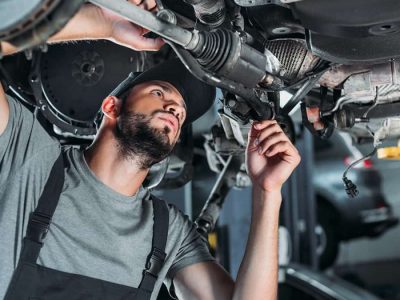
Before venturing into mountainous regions, it is vital to ensure that your vehicle is in excellent condition. Pay attention to the following components:
- Brakes: Brakes are perhaps the most crucial safety feature when driving on steep, winding roads. Ensure your brake pads are in good condition and that your brake fluid levels are adequate. The ability to stop quickly in emergencies is vital in mountainous terrain.
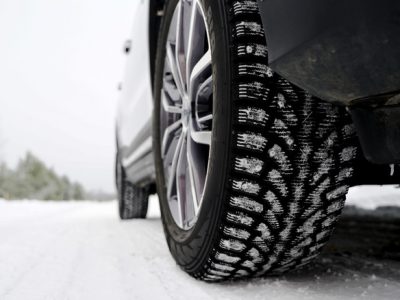
- Tires: Tires with adequate tread depth provide better traction, especially in wet or icy conditions. Inspect your tires for signs of wear and tear, and consider replacing them if necessary. In certain conditions, using tires designed for mountainous climates may be beneficial.
- Cooling System: Mountain driving can place added stress on your engine, so it is important to make sure your cooling system is functioning properly. Check the coolant levels to prevent the engine from overheating.
- Battery: A fully charged battery is essential, particularly when dealing with sudden altitude changes or extreme weather conditions that could put additional strain on your vehicle.
2. Understand the Terrain and Weather Conditions
Mountains are known for rapidly changing weather, which can make the driving experience more complex. Before setting off, check weather reports for the areas you’ll be traveling through. Mountain roads can be treacherous during snow, rain, or fog, all of which are common in higher altitudes. Prepare accordingly by carrying essentials such as:
- Chains: If snow is expected, tire chains may be required for safe passage on certain roads. Familiarize yourself with how to install them before you need them in an emergency.
- Weather Gear: Keep warm clothing, water, and snacks in your vehicle. Mountain weather can turn quickly, and it is essential to be prepared for unexpected delays.
Understanding the terrain is also important. Some mountain roads have sharp curves, narrow lanes, and steep inclines. Adjust your driving style according to the specific road conditions to reduce the risk of accidents.
3. Use Lower Gears on Steep Inclines and Declines
One of the most important techniques for mountain driving is using the correct gears when climbing or descending steep inclines. When ascending, make sure to use a lower gear to maintain a steady speed without overworking your engine. This will provide the necessary power to tackle uphill stretches with ease.
On the other hand, when descending, it’s crucial to avoid riding the brake pedal. Constantly applying pressure to the brake pedal can lead to brake fade, where the brakes lose their effectiveness due to overheating. Instead, shift into a lower gear, which helps the engine slow the vehicle down naturally without putting undue stress on the brakes.
4. Maintain a Safe Following Distance
Mountain roads often consist of winding paths, sharp curves, and sudden elevation changes. In such conditions, it is essential to maintain a greater following distance from the vehicle in front of you than you would on flat roads. This extra space gives you more time to react to potential hazards, such as sudden stops, obstacles, or wildlife crossing the road.
Adjust your speed based on visibility and road conditions. In foggy or rainy weather, reduce your speed and increase the gap between your vehicle and the one ahead. It is important to drive defensively, anticipating any sudden changes in road conditions or traffic.
5. Use Your Headlights Appropriately
In mountainous terrain, visibility can be drastically reduced, particularly when driving through dense forests, fog, or in low-light conditions. Always use your headlights when traveling through these areas. At night, it is crucial to drive with high beams when there is no oncoming traffic, as this will illuminate the road ahead and improve your visibility.
However, be mindful of the bright lights blinding oncoming drivers. If you encounter another vehicle coming towards you, be courteous and switch to low beams to avoid causing discomfort or disorientation to the other driver.
6. Prepare for Sudden Changes in Altitude
As you climb or descend in mountainous terrain, the altitude can significantly affect your vehicle’s performance. At higher elevations, the air becomes thinner, and this can result in reduced engine power. To mitigate this, it is advisable to shift to lower gears during both ascents and descents, as mentioned earlier, to prevent the engine from overexerting itself.
Moreover, breathing may become more difficult as the oxygen levels decrease with elevation, which can lead to fatigue. Take breaks as needed, particularly on long ascents or descents, to prevent driver fatigue and ensure you remain alert throughout the drive.
7. Drive Slowly and Take Breaks When Needed
One of the most common mistakes drivers make in mountainous terrain is speeding. While the view may be stunning and the urge to accelerate tempting, it is important to respect the roads and the natural obstacles they present. Driving too fast can make it harder to navigate curves and react to unexpected situations.
Take frequent breaks to stretch, hydrate, and refresh yourself, especially if you’re driving for long periods. Resting helps maintain focus and reduces the risk of accidents caused by driver fatigue.
8. Watch Out for Wildlife
Mountains are home to a wide variety of wildlife, and driving in these areas increases the likelihood of encountering animals on or near the road. In particular, deer, elk, and mountain goats are common in many mountainous regions. Be extra vigilant and reduce your speed, especially around dawn and dusk when wildlife is most active.
Look out for wildlife warning signs posted along mountain roads, and always be prepared to stop if you spot animals near the road.
9. Know Emergency Procedures
In case of an emergency, it’s crucial to have a plan. Make sure your phone is fully charged and have a backup charger with you, as signal strength may be weaker in remote mountain areas. Familiarize yourself with the nearest emergency services and road assistance numbers, and always inform someone of your travel plans before heading into mountainous terrain.
Having a well-stocked emergency kit in your vehicle, which includes items like a flashlight, first aid supplies, blankets, and extra food and water, can be invaluable if you find yourself stranded or in need of help.
10. Be Mindful of Other Drivers
Mountain roads often have limited passing opportunities, and drivers may need to use pull-outs or turnouts to allow others to pass. Be courteous and move over when safe to do so, allowing faster drivers to pass without creating a traffic jam. Similarly, if you are the faster vehicle, be patient and wait for the right moment to pass safely.
Driving in mountainous terrain requires a balance of patience, preparation, and skill. By following these tips, you can ensure a safer and more enjoyable experience while navigating these challenging roads.