 By
Large vans, pickups and extended-wheelbase vehicles create different workshop challenges from standard passenger cars. When a repair centre needs an extra long drive on bench, the main consideration is not simply whether the vehicle physically fits, but whether technicians can still measure, anchor and work around it safely and efficiently.
Longer Vehicles Need More Working Space
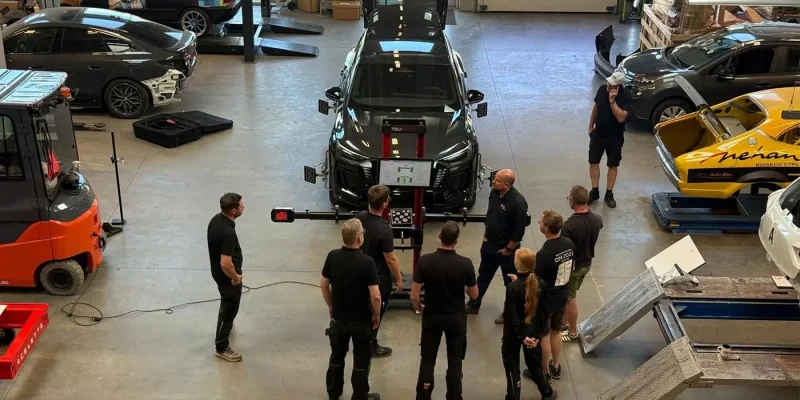
Vehicle length affects the whole repair bay. A bench that comfortably handles a passenger car may become restrictive once a longer vehicle is loaded, particularly if technicians need access around both ends or additional pulling equipment has to be positioned nearby.
Workshop managers should therefore look at the complete footprint rather than the bench dimensions alone. Doors, columns, tool storage and neighbouring bays can all reduce usable space. Technicians need enough room to move safely and to position measuring, anchoring and straightening equipment without constantly shifting other vehicles or tools.
Loading also deserves attention. A longer vehicle may need a straighter approach and more clearance when entering the bay. If the workshop layout makes positioning difficult, setup time can increase before repair work has even started.
Structural Measurement Still Needs Clear Reference Points
The principles of structural repair do not change simply because a vehicle is longer. Technicians still need a reliable baseline before applying corrective force, particularly when damage has travelled through rails, mounting points or the chassis structure.
The challenge is maintaining access to the points that need to be measured. On an extended vehicle, those points may be farther apart, and technicians need a system that allows them to assess the full structure without compromising the setup.
This is especially important where damage occurs at one end but may have affected geometry elsewhere. A visual inspection alone cannot always show the extent of movement. Accurate measurement gives technicians a clearer understanding of whether the structure remains within specification.
Repeated checks during the repair are just as useful. They help confirm that the correction is progressing as intended rather than relying on how the vehicle looks from outside.
Anchoring Needs To Suit The Vehicle
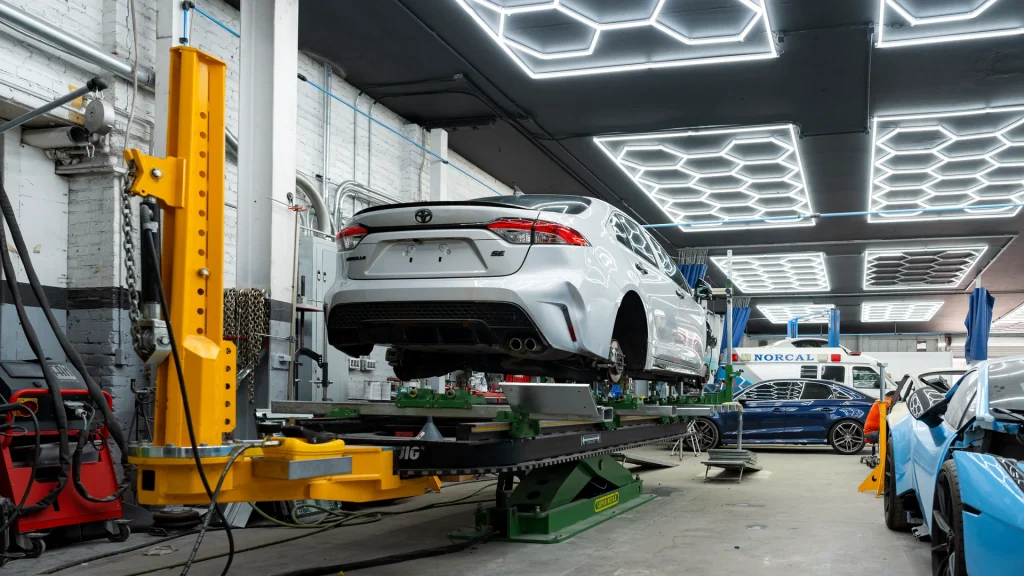
A longer or heavier vehicle can place different demands on the anchoring system. The vehicle needs to remain stable while force is applied, and technicians need enough flexibility to position anchors correctly for the repair being undertaken.
The right setup depends on vehicle construction as well as length. A pickup with a ladder-frame chassis, for example, may require a different approach from a long unibody van. Equipment should support the actual structure being repaired rather than assuming all large vehicles can be handled in the same way.
Technicians should also have clear access to suitable clamps, fixtures and accessories. If these need to be sourced or improvised once the vehicle is already on the bench, valuable workshop time is lost.
Larger Repair Capacity Can Open New Work
The ability to handle longer vehicles can give a workshop access to jobs that might otherwise need to be turned away or subcontracted. Commercial vans, pickups and specialist vehicles can represent valuable work, particularly where local fleets depend on keeping vehicles on the road.
However, capacity should be planned around real demand. A larger system only creates value when the workshop has the space, technician skills and job flow to use it properly.
For repair centres regularly encountering longer vehicles, the right bench can make structural work more controlled and practical. When bay space, measurement, anchoring and workflow are all considered together, vehicle size becomes a manageable repair variable rather than a constant operational obstacle.