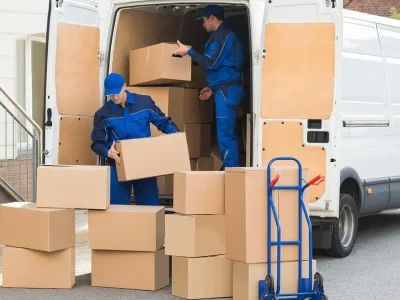
moving service

How to Coordinate Moving Day Logistics with Multiple Parties Involved

Moving day can be a hectic affair, especially when multiple parties are involved in the process. Whether you’re coordinating with movers, family members, or utility companies, effective planning and communication are essential to ensure a smooth transition to your new home. Here’s a comprehensive guide on how to coordinate moving day logistics with multiple parties involved.

Planning Ahead for Moving Day

  1. Create a Detailed Moving Timeline
    • Early Planning: Start planning your move as early as possible to allow ample time for coordination.
    • Timeline Creation: Develop a moving day timeline that outlines tasks, responsibilities, and deadlines for each party involved.
  2. Identify Key Parties Involved
    • Movers: Communicate with your chosen moving company to finalize logistics, such as timing, packing requirements, and any specific instructions.
    • Family Members or Friends: Coordinate helpers who will assist with packing, loading, or supervising children or pets during the move.
    • Utility Companies: Arrange for utility disconnection at your old home and connection at your new home on moving day.

Communication Strategies

  1. Establish Clear Communication Channels
    • Primary Contact: Designate a primary contact person for each party involved to streamline communication and avoid confusion.
    • Communication Tools: Use phone calls, emails, or messaging apps to keep all parties informed of updates or changes to the moving day plan.
  2. Share Detailed Itinerary
    • Provide Itinerary: Distribute a detailed moving day itinerary outlining schedules, addresses, contact information, and any special instructions.
    • Emergency Contacts: Share emergency contact numbers for movers, key family members, or utility companies in case of unforeseen circumstances.

Logistical Considerations

  1. Loading and Unloading Plan
    • Parking Arrangements: Ensure adequate parking space for moving trucks at both your old and new homes to facilitate loading and unloading.
    • Furniture Placement: Plan ahead for where furniture and boxes will be placed in your new home to expedite the unpacking process.
  2. Safety and Security Measures
    • Secure Belongings: Label boxes clearly and securely fasten items to prevent damage during transit.
    • Safety Guidelines: Communicate safety guidelines to all parties involved, including lifting techniques and precautions around heavy or fragile items.

Contingency Planning

  1. Prepare for Contingencies
    • Weather Conditions: Monitor weather forecasts and have backup plans in place for inclement weather that could affect moving day operations.
    • Alternative Routes: Identify alternative routes in case of traffic congestion or road closures that may impact the moving schedule.

Post-Move Follow-Up

  1. Post-Move Evaluation
    • Feedback: Gather feedback from all parties involved to assess the efficiency of the moving day logistics and identify areas for improvement.
    • Thank You Notes: Send thank-you notes or messages to movers, helpers, and other parties involved to express appreciation for their assistance.

Final Organization Tips

  1. Organize Moving Day Essentials
    • Essentials Box: Pack a box containing essential items such as toiletries, medications, snacks, and chargers for immediate access upon arrival at your new home.
    • Documentation: Keep important documents, such as leases, contracts, and moving paperwork, easily accessible throughout the moving process.

By following these strategies and maintaining open lines of communication, you can effectively coordinate moving day logistics with multiple parties involved. A well-organized and collaborative approach ensures that everyone is on the same page, minimizing stress and maximizing efficiency during this significant transition.

What is your reaction?

Excited
0
Happy
0
In Love
0
Not Sure
0
Silly
0

You may also like