 By
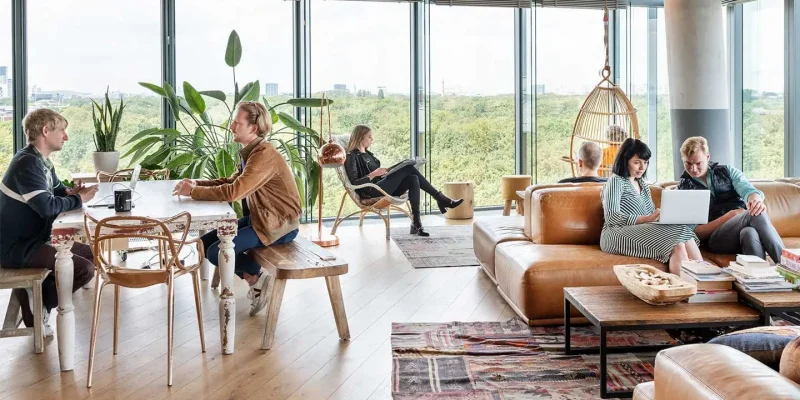
Innovation rarely happens in isolation. While focused work benefits from privacy, idea generation often depends on exposure to different perspectives, informal exchange, and unexpected connection points. This is one reason demand for co working space continues to grow among professionals who value not just flexibility, but intellectual momentum created by shared environments.
The value lies less in the desks and more in the social architecture surrounding them.
Weak Connections Drive New Thinking
Strong relationships reinforce existing ideas. Weak connections introduce new ones. Shared environments naturally increase weak-tie interactions, brief conversations with people outside one’s immediate field.
These short exchanges expose individuals to unfamiliar tools, markets, and problem-solving approaches that spark creative recombination rather than repetition.
Proximity Accelerates Knowledge Transfer
When professionals work within visual and physical proximity, knowledge travels faster. Observing how others structure workflows, handle challenges, or use technology generates passive learning without formal instruction.
This ambient exposure reduces learning curves and encourages experimentation.
Informal Dialogue Removes Hierarchical Barriers
Traditional offices often reinforce hierarchy and departmental silos. Shared environments flatten these boundaries, making conversations more spontaneous and less filtered.
When dialogue becomes casual rather than procedural, ideas surface earlier and evolve more quickly.
Environmental Energy Influences Cognitive Engagement
Humans respond to social energy. Seeing others engaged in productive work elevates personal motivation and mental activation.
This collective momentum creates a psychological effect similar to training alongside others rather than alone.
Cross-Disciplinary Exposure Expands Problem Framing
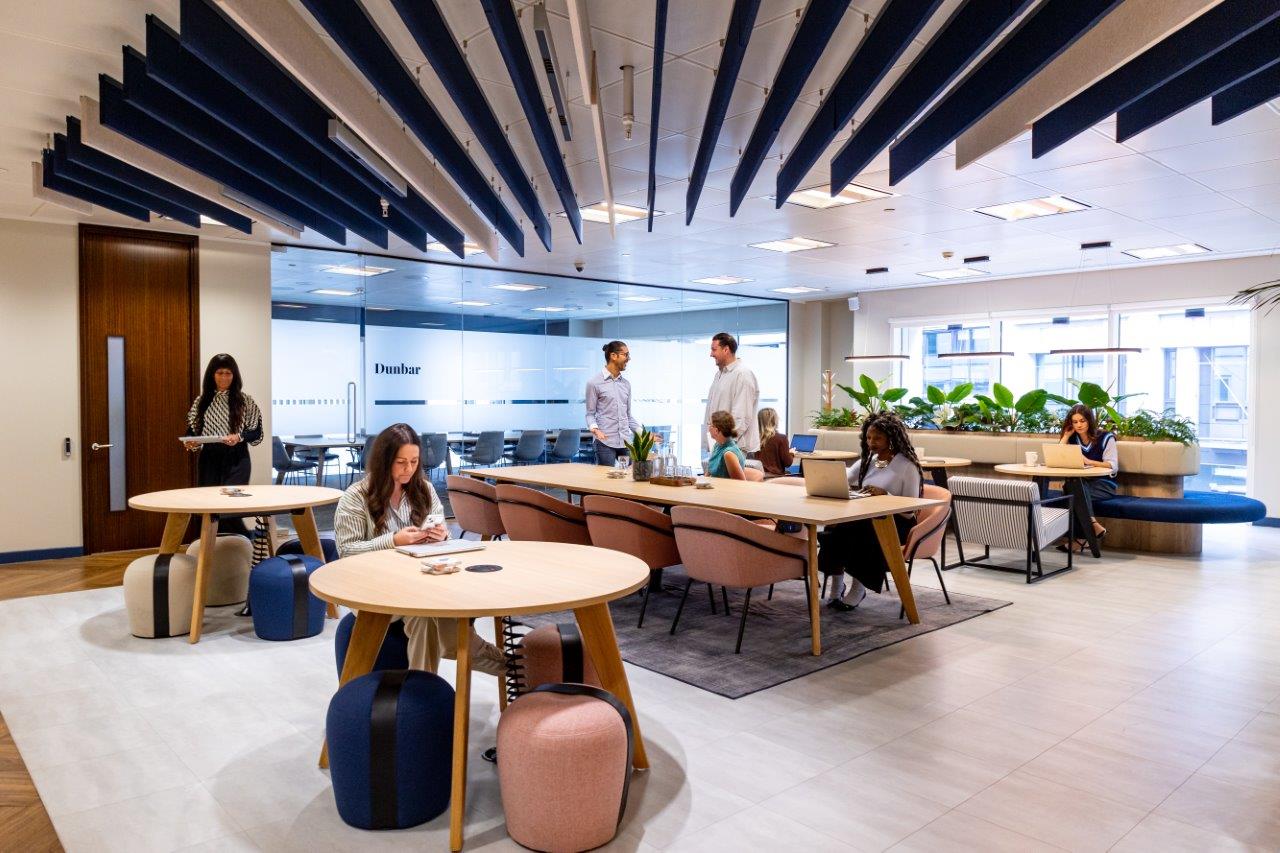
Many complex problems require insights from multiple disciplines. Shared workspaces increase exposure to diverse professional backgrounds without formal collaboration structures.
This diversity broadens how individuals frame challenges, leading to more adaptive solutions.
Micro-Feedback Improves Idea Refinement
Ideas sharpen through early feedback. Casual conversations allow rapid testing of assumptions without high stakes.
This reduces over-engineering and improves clarity before formal development begins.
Social Accountability Sustains Momentum
Working among peers increases accountability. Visibility reinforces consistency and task follow-through without managerial pressure.
This supports sustained output rather than sporadic bursts.
Psychological Safety Encourages Experimentation
Shared environments often cultivate openness and mutual respect. When individuals feel safe sharing unfinished ideas, innovation accelerates.
Psychological safety supports curiosity rather than defensiveness.
Designing Workspaces for Cognitive Exchange
The most effective shared environments prioritise visibility, movement flow, and communal touchpoints rather than density alone.
When space design supports natural interaction, idea exchange becomes continuous rather than forced.
Creativity is not simply a personal trait. It emerges from environments that encourage connection, curiosity, and low-friction exchange of perspective.