 By
In the realm of interior design, the subtle nuances often make the most significant impact. As we seek to blend tradition with modernity, polyurethane mouldings emerge as a versatile material that harmonises aesthetics and functionality. In Thailand, where historical grandeur meets contemporary flair, these mouldings offer an elegant solution for transforming spaces into masterpieces of art and design. This blog delves into the sophistication polyurethane mouldings bring to interior spaces, enhancing them with timeless elegance.
Polyurethane moulding (known as คิ้วบัวโพลียูรีเทน in Thai) has rapidly gained popularity in Thailand’s interior design landscape due to its adaptability and ease of use. Unlike traditional wood or plaster options, polyurethane offers a lightweight yet durable alternative that withstands the humid tropical climate prevalent across the country. Its resistance to moisture and pests makes it particularly suited for Thai homes, where environmental factors often dictate material choices. Moreover, its ability to mimic intricate designs allows homeowners to incorporate classic Thai motifs seamlessly into their modern interiors, blending cultural heritage with contemporary style.
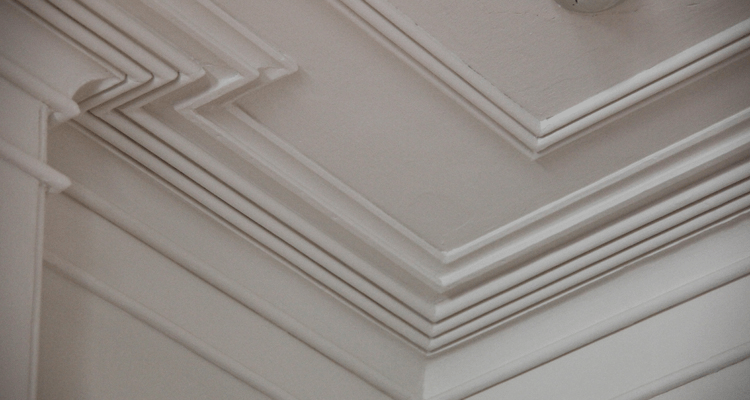
One of the most appealing aspects of polyurethane mouldings is their versatility in application. Whether used for crown moulding at ceiling junctions or as decorative frames around windows and doors, these mouldings add depth and texture to any room. In Thailand’s bustling cityscapes like Bangkok or Chiang Mai, where space may be limited yet every inch is valuable, polyurethane mouldings provide a practical way to delineate spaces without overwhelming them. By creating visual interest through shadows and highlights, they contribute to an illusion of expansiveness—an essential feature in urban living.
Moreover, polyurethane moulding presents an eco-friendly option for environmentally conscious designers in Thailand. With sustainability becoming a critical concern worldwide, this material’s production process involves fewer pollutants compared to traditional methods involving heavy metals or deforestation-prone wood extraction. For those looking to maintain eco-consciousness without compromising on style or quality, choosing polyurethane is a step towards responsible luxury, a concept gaining traction among Thai consumers eager for sustainable solutions.
In addition to aesthetic enhancement and environmental benefits, polyurethane moulding also promises economic advantages. Cost-effective compared to hardwood alternatives while maintaining high standards of craftsmanship appearance-wise; it offers budget-friendly options suitable for various projects ranging from ornate temples restoration work requiring detailed scrollwork replication down through private residential home renovations needing simple cornice enhancements—all within reasonable expenditure limits yet achieving luxurious finishes typically associated only with more expensive materials.
Integrating technology with tradition has never been easier than when working with polyurethane materials thanks largely due technological advancements allowing rapid prototyping precision manufacturing customisation possibilities previously unimaginable even decade ago thus opening new horizons creative possibilities both professional artisans well DIY enthusiasts alike engaging directly personalising décor elements according individual tastes preferences unique expressions one’s identity within own living space truly making house home imbued character history culture personal touch distinctively Thai backdrop globalised world trends innovation diversity inclusion all celebrated under roof beauty harmony unity purposefulness.