 By
Remember losing half your weekend to a broom, a mop, and a heavy bucket of dirty water? Most of us are thrilled to leave those days behind. But as home technology has evolved, a new trap has emerged: the expectation that a single device can handle every mess life throws at you.
Spoiler alert: it can’t.
The most efficient, spotless homes don’t rely on a “one-tool-fits-all” miracle. Instead, they use a two-tier strategy that divides floor care into two distinct jobs: Continuous Maintenance and Deep Intervention.
Here is why reclaiming your weekends means understanding that automation and manual power aren’t competitors—they are teammates.
Tier 1: Robot Vacuum for Daily Cleaning and Maintenance
Let’s be honest—human nature makes us pretty bad at preventative cleaning. We usually wait until we can actually see the dirt before we do anything about it. But the real enemy of your floor’s finish isn’t the occasional dropped plate; it’s the invisible, daily accumulation of dust, pollen, fine grit, and pet dander.
When you walk on these micro-particles, they act like sandpaper, dulling your floors over time.
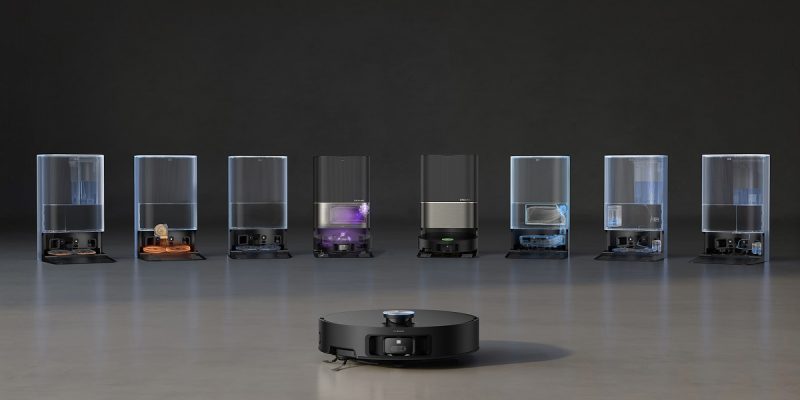
This is where a high-quality robot vacuum and mop becomes essential. It is the baseline guardian of your home’s hygiene.
Why you need it:
- Zero Procrastination: It decouples cleaning from human effort. You schedule it, and it works while you are at the office or sleeping.
- The Reset Button: It resets your floors to a neutral, clean state every single day, stopping the compounding effect of messiness.
- Mental Relief: You completely eliminate the mental load of wondering if the floors need sweeping.
Tier 2: Wet Dry Vac for Spills and Deep Cleaning
Automated cleaners are incredible marathon runners—built for endurance and daily coverage. But life is unpredictable. Sometimes, you don’t need a marathon runner; you need a heavyweight lifter.
You wouldn’t send an automated device to clean up a shattered glass of wine, a sticky cooking spill, or a bowl of cereal dropped by a toddler. In the old days, fixing this meant a multi-step nightmare of sweeping up the chunks, wiping the liquid with paper towels, and then dragging out a mop just to push the sticky residue around.
For these instant, high-stress messes, you need a dedicated wet dry vac.
Why you need it:
- All-in-One Action: It handles solids, liquids, and sticky stains all at the exact same time.
- True Hygiene: Traditional mopping often just spreads dirty bucket water around. Modern wet/dry cleaners use an active two-tank system—constantly washing the roller with fresh water while sucking the dirty water into a completely separate tank.
- Raw Power: It provides the high-torque scrubbing and massive suction that an automated device simply cannot physically deliver.
Robot Vacuum vs Wet Dry Vac: Key Differences
Still wondering why one can’t replace the other? Here is a quick breakdown of how these tools divide and conquer:
| Feature | Robot Vacuum & Mop | Cordless Wet/Dry Vac |
| Primary Role | Invisible maintenance & daily upkeep | Instant intervention & heavy-duty spills |
| Best Used For | Dust, pet hair, daily allergens, light footprints | Spilled drinks, wet food, sticky residue, mud |
| Human Effort | Zero (Fully automated) | Minimal (Active, but takes seconds) |
| The Vibe | The steady marathon runner | The high-intensity sprinter |
Why One Device Fails in Real Homes (Pets, Kids & Mud)
Let’s talk about the real wildcards in any household. If you live alone in a spotless high-rise apartment, maybe you can get away with just a single automated sweeper. But the moment you introduce a dog shedding its seasonal coat, a toddler who treats dinner like a food fight, or a rainy afternoon that turns your backyard into a mud pit, the one-device fantasy falls apart fast. You absolutely need your automated buddy to constantly battle the floating pet hair that seems to multiply under the couch while you aren’t looking. However, when that same dog tracks wet, muddy paw prints straight across the living room floor after a walk, your automated cleaner is just going to smear it into a tragic, brown abstract painting. That is exactly the moment you will be thankful you have a manual, high-power tool ready to erase the disaster before the mud sets into the grout.
A Simple Weekly Cleaning Routine That Actually Works
The magic happens when you let these two tiers work in synergy. If you want a pristine home without the backache, here is what your new weekly routine should look like:
- The Weekday Autopilot: Monday through Friday at 9:00 AM, your automated unit runs its programmed route. It vacuums the dust and lightly mops the living areas. You come home every evening to floors that feel clean under bare feet.
- The Wednesday Night Disaster: Someone knocks over a cup of juice during dinner. Instead of panicking or wasting half a roll of paper towels, you grab the manual wet/dry unit. In 30 seconds, the spill is erased. You pop it back on its dock to self-clean, and dinner continues.
- The Saturday “Power Pass”: The three-hour weekend deep clean is officially dead. Instead, you grab your manual vacuum for a quick 15-minute sweep through high-traffic zones (like the kitchen triangle and entryways) to scrub away anything stubborn. You spend the rest of your Saturday actually enjoying your weekend.
Is It Worth It? Time and Effort You Actually Save
When you look at modern floor care as an investment, the return isn’t just cleanliness—it’s calculated in hours saved.
Your automated device buys back the 20 minutes a day you’d normally spend sweeping. Your manual wet/dry cleaner buys back your sanity and physical effort when accidents happen. By pairing the relentless persistence of automation with the raw power of manual intervention, you guarantee a home that is hygienic, guest-ready, and comfortable—every single day of the week.