 By
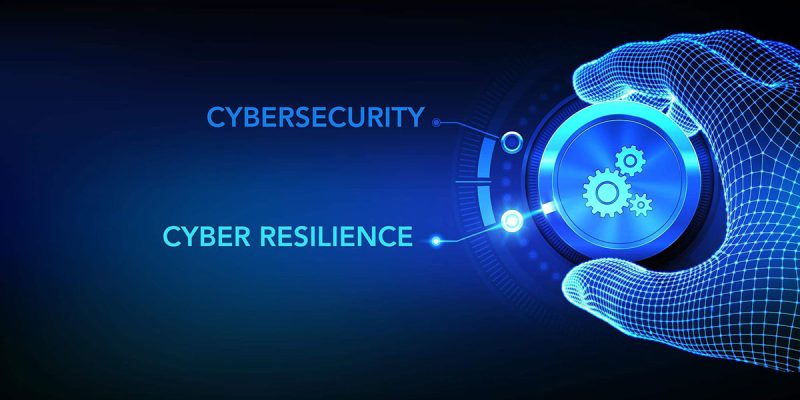
Creating a cyber-resilient organization is no longer optional. As cyberattacks grow in frequency and sophistication, businesses of every size must adopt proactive strategies to maintain operations, protect sensitive data, and recover swiftly from disruptions. Cyber-resilience goes beyond traditional cybersecurity by combining defense, adaptability, and business continuity into one unified approach.
Understanding Cyber-Resilience
Cyber-resilience refers to an organization’s ability to prepare for, withstand, respond to, and recover from cyber incidents. It ensures that even if security defenses fail, the business can continue functioning with minimal impact.
Core Pillars of Cyber-Resilience
-
Prevention: Reduce vulnerabilities and block attacks before they succeed.
-
Detection: Identify unusual or malicious activity quickly.
-
Response: Take coordinated action to contain damage.
-
Recovery: Restore data, systems, and operations efficiently.
-
Adaptation: Learn from incidents to improve future resilience.
Building a Strong Cyber-Resilience Framework
1. Conduct a Comprehensive Risk Assessment
To strengthen resilience, organizations must first understand their weaknesses. This includes:
-
Identifying critical assets such as customer data, intellectual property, and operational systems
-
Mapping potential cyber threats and attack vectors
-
Evaluating current security measures and gaps
-
Assessing third-party and supply chain risks
A data-driven risk assessment ensures security investments are aligned with real vulnerabilities.
2. Establish Robust Governance and Leadership Support
Cyber-resilience requires strategic oversight from top management. Effective governance includes:
-
Defining security roles and responsibilities
-
Establishing clear policies and compliance requirements
-
Integrating cyber-resilience into corporate strategy
-
Ensuring budget allocation for tools, training, and monitoring
Strong leadership commitment accelerates organization-wide adoption of resilient practices.
3. Strengthen Security Controls and Infrastructure
Organizations should implement layered security defenses to minimize the impact of compromises. Essential controls include:
-
Multi-factor authentication (MFA)
-
Zero-trust access models
-
Data encryption at rest and in transit
-
Endpoint protection and continuous vulnerability scanning
-
Network segmentation for limiting lateral movement
Regular patching and system updates are also critical for blocking known exploits.
4. Develop a Rapid Incident Response Strategy
A well-coordinated response can significantly reduce the damage from a cyberattack. Key elements include:
-
A documented incident response plan
-
Defined communication channels for internal teams and external stakeholders
-
Forensic procedures for evidence collection
-
Playbooks for different attack scenarios such as ransomware, phishing, or data breaches
Frequent simulation exercises and tabletop drills help teams stay prepared.
5. Ensure Business Continuity and Disaster Recovery Readiness
Resilience depends not just on preventing incidents but also on ensuring operations quickly rebound. Essential steps include:
-
Maintaining reliable data backups with offsite or cloud redundancy
-
Creating disaster recovery plans that define recovery point objectives (RPO) and recovery time objectives (RTO)
-
Testing recovery procedures regularly
-
Ensuring alternate communication and operational workflows during outages
These measures enable the organization to maintain service availability even under pressure.
6. Foster a Culture of Cyber Awareness
Human error is one of the leading causes of breaches. Building a security-aware workforce involves:
-
Ongoing cybersecurity training
-
Simulated phishing campaigns
-
Clear reporting procedures for suspicious activities
-
Employee engagement programs promoting shared responsibility
A resilient organization treats cybersecurity as everyone’s responsibility, not just the IT department’s.
7. Monitor, Analyze, and Adapt Continuously
Cyber-resilience is an ongoing effort. Organizations must:
-
Use real-time monitoring tools and security information and event management (SIEM) systems
-
Analyze logs and threat intelligence to detect anomalies
-
Review incident lessons learned
-
Update policies, processes, and controls accordingly
This continuous improvement cycle ensures resilience evolves alongside emerging threats.
FAQs
1. How is cyber-resilience different from cybersecurity?
Cybersecurity focuses on protection, while cyber-resilience emphasizes both protection and the ability to recover and maintain operations after an incident.
2. What industries benefit most from cyber-resilience?
All industries benefit, but sectors like finance, healthcare, manufacturing, and critical infrastructure face higher risks and stand to gain the most.
3. How often should risk assessments be conducted?
Organizations should complete formal assessments annually and after major operational or technological changes.
4. Why is employee training vital for cyber-resilience?
Employees often encounter threats first. Proper training helps them detect and avoid risks such as phishing and social engineering.
5. What should an incident response plan include?
It should define communication procedures, assigned roles, containment strategies, escalation paths, and recovery workflows.
6. How can small businesses improve cyber-resilience without large budgets?
They can adopt basic security best practices, use cloud-based security tools, outsource IT security, and focus on employee awareness.
7. How do organizations measure cyber-resilience maturity?
Metrics such as incident response time, system downtime, recovery time, and the number of detected vs. contained threats help evaluate maturity.