 By
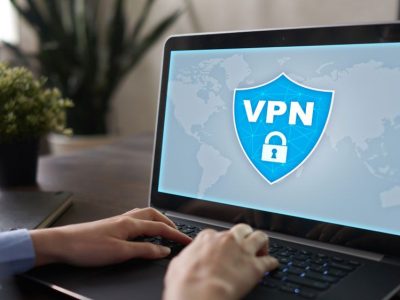
The internet has transformed how people communicate, work, and access information, yet it has also introduced significant risks to personal privacy. Every online action leaves a digital footprint, and without adequate protection, sensitive data can be tracked, collected, and exploited. A Virtual Private Network (VPN) serves as a powerful safeguard against online surveillance, cyber threats, and data breaches. By encrypting internet traffic and masking IP addresses, a VPN ensures that online activities remain private and secure. Understanding its significance requires an exploration of how digital privacy is compromised and the specific protections a VPN provides.
1. How Online Privacy Is Compromised
Every interaction on the internet generates data that can be monitored, stored, and analyzed. Several entities actively track online activity, often without user consent.
- Internet Service Providers (ISPs): ISPs have access to all internet traffic passing through their servers. In many countries, they log browsing activity and may sell this information to advertisers or comply with government requests for surveillance.
- Government Surveillance Programs: Various governments implement mass data collection programs to monitor online activity. Without encryption, emails, search history, and even private messages can be intercepted.
- Advertisers and Tracking Cookies: Many websites deploy tracking mechanisms that build extensive profiles on users based on browsing habits, preferences, and online behavior. This data is often sold to third parties.
- Hackers and Cybercriminals: Public Wi-Fi networks, weak passwords, and unprotected connections expose users to data theft, identity fraud, and unauthorized account access.
Understanding these risks underscores the need for effective online protection.
2. How a VPN Shields Online Activity
A VPN establishes a secure, encrypted tunnel between a user’s device and the internet. This prevents third parties from intercepting or analyzing data.
- Encryption of Internet Traffic: A VPN applies advanced encryption protocols, ensuring that even if data is intercepted, it remains unreadable. This is particularly vital when using unsecured public Wi-Fi networks.
- IP Address Masking: By rerouting internet traffic through a remote server, a VPN replaces a user’s real IP address with one from a different location. This prevents websites and ISPs from accurately tracking online activity.
- Protection Against Data Collection: Since ISPs and advertisers rely on IP addresses to link browsing activity to specific users, a VPN disrupts this tracking mechanism.
- Secure Access to the Internet: Whether conducting financial transactions, accessing work documents, or communicating through messaging apps, a VPN ensures that sensitive information remains confidential.
By securing internet traffic at its source, a VPN fortifies privacy against digital surveillance and unauthorized tracking.
3. Preventing Data Theft on Public Networks
Public Wi-Fi networks, such as those found in coffee shops, airports, and hotels, pose significant security risks. These networks often lack adequate encryption, making them a prime target for cybercriminals.
- Man-in-the-Middle Attacks: Hackers on the same network can intercept data transfers, capturing sensitive details such as login credentials, credit card numbers, and personal messages.
- Fake Wi-Fi Hotspots: Cybercriminals create rogue Wi-Fi networks with familiar names to lure users into connecting. Once connected, all transmitted data can be intercepted.
- Unencrypted Communications: Many websites and applications fail to use strong encryption, leaving passwords and financial details exposed.
A VPN neutralizes these risks by encrypting data before it leaves a device, ensuring that even if an attacker intercepts traffic, it remains indecipherable.
4. Avoiding ISP Throttling and Data Monitoring
Some ISPs intentionally slow down internet speeds based on browsing habits, a practice known as throttling. This commonly affects streaming services, gaming, and large file downloads.
- Bypassing Speed Restrictions: A VPN conceals online activity from ISPs, preventing them from throttling specific types of traffic.
- Circumventing Regional Content Blocks: ISPs may restrict access to specific websites based on government regulations or corporate policies. A VPN enables unrestricted browsing.
- Preserving Net Neutrality: Some service providers prioritize certain types of traffic for financial gain. By encrypting internet activity, a VPN ensures that all data is treated equally.
These protections maintain a seamless and unrestricted internet experience.
5. Protecting Personal and Financial Information
Cybercriminals exploit unprotected online activity to execute identity theft, fraud, and financial scams.
- Securing Online Banking: Accessing financial accounts over an unprotected network exposes login credentials to potential interception. A VPN encrypts these transactions.
- Preventing Credential Theft: Many data breaches occur due to weak security measures on public networks. By routing connections through a secure VPN server, login details remain concealed.
- Shielding Sensitive Communications: Business professionals, journalists, and individuals handling confidential data rely on VPNs to prevent unauthorized access to emails, calls, and file transfers.
Ensuring privacy for financial and personal data reduces exposure to cyber threats.
6. Maintaining Anonymity While Browsing
Search engines, social media platforms, and online services collect extensive user data, often linking it to personal identities. A VPN enhances anonymity in several ways.
- Avoiding Personalized Advertisements: Many companies track browsing habits to display targeted ads. By masking IP addresses and encrypting activity, a VPN disrupts this data collection.
- Preventing Location-Based Tracking: Websites often request location permissions to tailor content. A VPN conceals physical locations, preventing this form of tracking.
- Disrupting Social Media Surveillance: Many platforms track off-site activity to refine user profiles. A VPN obscures browsing habits, limiting the extent of data collection.
By restricting online services from linking activity to real identities, a VPN ensures a greater level of anonymity.
7. Choosing the Right VPN for Privacy Protection
Not all VPNs provide the same level of security, and selecting the right provider requires careful evaluation.
- Strong Encryption Standards: A high-quality VPN employs advanced encryption protocols, such as AES-256, to safeguard data.
- No-Log Policy: The most secure VPN providers do not retain records of user activity, ensuring complete privacy.
- Secure Server Network: A provider with a broad selection of international servers ensures greater flexibility and reliability.
- Reliable Connection Speeds: Some VPNs slow internet performance. Choosing a provider with optimized servers ensures seamless browsing and streaming.
- Compatibility with Multiple Devices: Leading VPN services support various platforms, including computers, smartphones, and smart devices.
Investing in a reputable VPN guarantees maximum privacy protection without sacrificing performance.
8. The Role of a VPN in a Privacy-Conscious Digital World
Privacy concerns have intensified as digital surveillance, cyber threats, and data collection practices expand. A VPN serves as a fundamental defense, encrypting communications, shielding personal information, and preventing tracking by corporations, governments, and cybercriminals. Whether securing financial transactions, accessing the internet anonymously, or protecting data on public networks, a VPN remains an essential tool for maintaining privacy in an increasingly connected world.