 By
In today’s digitally connected world, maintaining privacy online has become a top priority for many. Virtual Private Networks (VPNs) are often hailed as a crucial tool in safeguarding personal data and ensuring privacy when browsing the web. VPNs offer users the ability to mask their IP addresses, encrypt their internet traffic, and access restricted content. However, as more individuals turn to VPNs to secure their online activities, it raises an important question: How much privacy do VPNs truly provide, and how much of our digital footprint remains exposed?
1. What is a VPN, and How Does it Work?
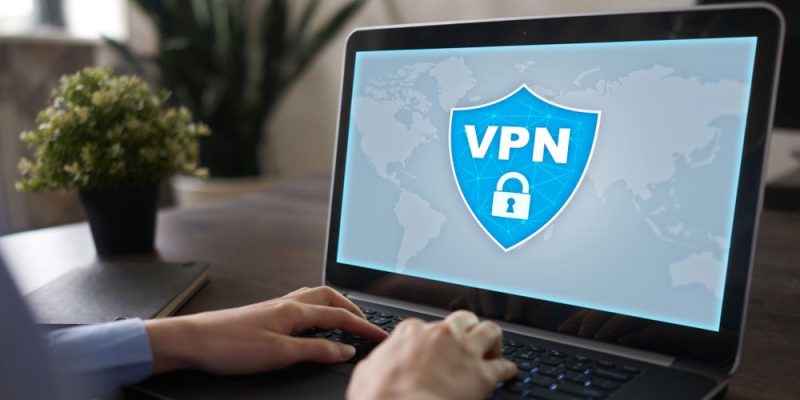
A Virtual Private Network is a service that creates a secure connection over the internet, often referred to as a “tunnel.” It allows users to send and receive data as though they are directly connected to a private network, effectively hiding their real IP address and encrypting their internet traffic. The core function of a VPN is to provide a layer of security by encrypting the data between your device and the VPN server. This encryption ensures that sensitive information, such as passwords, credit card numbers, and browsing history, is protected from third parties, such as hackers or malicious actors.
VPNs can also mask your geographic location by routing your traffic through servers in different countries, allowing you to access content that may otherwise be geo-restricted. While this sounds promising for enhanced privacy, the question remains—how secure is it, and how much does it truly protect your digital footprint?
2. The Limitations of VPN Privacy
Despite the many benefits VPNs provide, they do not offer complete anonymity or protection from all forms of surveillance. There are several key limitations to consider when evaluating how much privacy they really offer:
- VPN Provider Logging Policies: While a VPN hides your IP address and encrypts your internet traffic, the VPN provider itself can still log your online activity. The extent of this logging depends on the provider’s policy. Some VPNs keep detailed logs, including browsing history, connection timestamps, and even the real IP addresses of users. If the VPN provider is compelled by law to hand over this data (depending on their jurisdiction), your privacy could be compromised.
To safeguard your privacy, it is crucial to choose a VPN provider that has a strict no-logs policy, meaning they do not store any information about your activities. Even so, some experts argue that even if a VPN claims not to keep logs, there is still the potential for data to be collected or stored unintentionally.
- VPN Leaks: Another common issue with VPNs is the possibility of data leaks. These leaks occur when your true IP address or DNS queries (which reveal the websites you visit) are exposed, even while you are connected to a VPN. IP leaks, DNS leaks, and WebRTC leaks are all risks that can undermine the protection a VPN offers. While some VPNs include leak protection features, it is important to regularly test for these leaks to ensure your data is fully protected.
- Malware and Phishing Risks: While VPNs can offer encryption and obfuscation, they cannot protect you from all forms of cyber threats. Users are still vulnerable to malware, phishing attacks, or social engineering tactics that trick them into revealing sensitive information. For example, visiting a fraudulent website while using a VPN will not shield you from entering your personal details on a site that is designed to steal your information.
3. Your ISP and Government Surveillance
Even with a VPN in place, there are entities that can still track your online activity. Internet Service Providers (ISPs) and governments can, in some cases, monitor your actions. Governments, for instance, may request VPN providers to hand over information about users if they operate in jurisdictions with data retention laws or surveillance agreements.
While VPNs are effective at protecting your data from hackers and advertisers, they may not shield you from government surveillance. In certain countries, governments have the legal authority to monitor internet activity, regardless of whether or not you use a VPN. Furthermore, some VPN services based in these regions may be compelled to comply with these laws and cooperate with authorities.
4. The Role of Encryption
Encryption is one of the primary privacy benefits of a VPN. When your internet traffic is encrypted, it becomes unreadable to anyone who intercepts it, such as hackers on public Wi-Fi networks. However, not all encryption is created equal. Strong encryption algorithms like AES-256 offer high levels of protection, whereas weaker encryption protocols may leave your data more vulnerable to decryption.
The quality of the encryption used by a VPN is a critical factor in determining its effectiveness in safeguarding privacy. If a VPN provider uses outdated or insecure encryption methods, your data could potentially be compromised. Always choose a VPN that uses robust encryption standards and modern protocols to maximize your online security.
5. Your Digital Footprint Beyond the VPN
Even with a VPN in place, your digital footprint extends far beyond your internet connection. While a VPN hides your IP address and encrypts your data, other traces of your activity remain visible. These can include:
- Cookies and Tracking Scripts: Websites use cookies and tracking scripts to monitor your browsing behavior, gather personal data, and display targeted advertisements. These can persist even when using a VPN. To reduce the impact of these trackers, consider using privacy-focused browsers or extensions like ad-blockers and anti-tracking tools.
- Social Media Footprints: VPNs do not prevent data collection from social media platforms. Any personal information you share on these sites, such as posts, photos, or interactions, is still visible to those platforms and their advertisers. Therefore, exercising caution when sharing personal information on social media remains important for maintaining your privacy.
- Smart Devices and IoT: If you use smart devices or IoT gadgets that are connected to the internet, they can contribute to your digital footprint in ways that a VPN cannot protect against. These devices may collect data about your habits, preferences, and even your physical location.
6. The Bottom Line: Are VPNs Enough?
While VPNs are undoubtedly useful for enhancing privacy and securing your internet traffic, they do not offer complete protection against all forms of surveillance or data tracking. They play a vital role in securing sensitive information from hackers and protecting users from online threats, but they are not a one-size-fits-all solution for privacy.
To truly enhance your online privacy, it is important to combine the use of a VPN with other privacy-enhancing tools, such as secure browsers, privacy-focused search engines, and effective data management practices. The digital world is complex, and while VPNs offer valuable protection, they should be seen as part of a broader strategy to safeguard your personal information and reduce your digital footprint.