 By
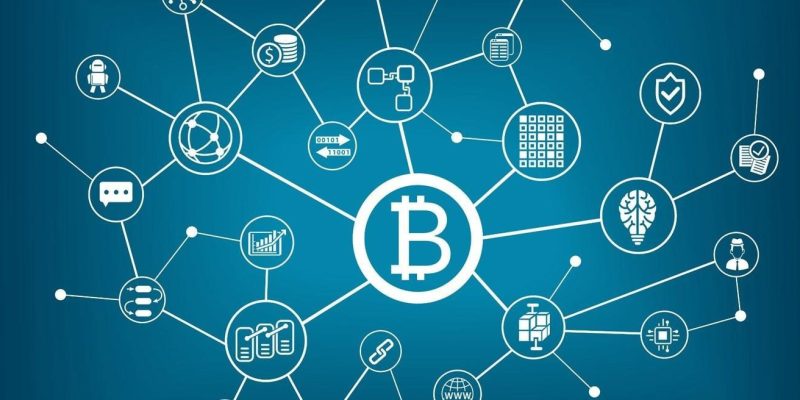
Blockchain technology, originally developed as the backbone of cryptocurrencies like Bitcoin, has transcended its initial purpose to emerge as a transformative force across various sectors. Its unique features—decentralization, transparency, and immutability—offer innovative solutions to some of the most pressing challenges faced by businesses today. This article explores the diverse applications of blockchain technology across industries, highlighting its potential to reshape operations, enhance security, and improve efficiency.
1. Supply Chain Management
One of the most significant applications of blockchain is in supply chain management. Traditionally, tracking goods from production to delivery involves complex systems with multiple stakeholders, leading to inefficiencies and a lack of transparency. Blockchain offers a solution by creating a decentralized ledger that provides a single, immutable record of all transactions.
Benefits:
- Enhanced Traceability: Every transaction is recorded on the blockchain, allowing companies to trace the origin of products. This is particularly beneficial for industries like food and pharmaceuticals, where safety and authenticity are paramount.
- Increased Efficiency: By reducing paperwork and automating processes through smart contracts, blockchain can streamline supply chain operations, reducing delays and errors.
- Improved Accountability: Stakeholders can verify each step in the supply chain, fostering trust and accountability among all parties involved.
2. Healthcare
Blockchain has the potential to revolutionize the healthcare industry by enhancing the security and interoperability of medical records.
Benefits:
- Secure Patient Data: Patient information can be stored securely on the blockchain, ensuring that only authorized individuals have access. This enhances privacy and protects against data breaches.
- Interoperability: Blockchain can facilitate the seamless sharing of medical records across different healthcare systems, improving collaboration among healthcare providers and enabling more coordinated patient care.
- Supply Chain Integrity: In the pharmaceutical sector, blockchain can help track drugs throughout the supply chain, reducing the risk of counterfeit medications entering the market.
3. Finance and Banking
While blockchain’s most famous application is in cryptocurrency, its potential in the financial sector extends far beyond digital currencies. Financial institutions are increasingly adopting blockchain technology to enhance efficiency, security, and transparency in various transactions.
Benefits:
- Faster Transactions: Blockchain enables real-time settlement of transactions, reducing the time and cost associated with traditional banking processes. Cross-border transactions, in particular, can benefit from reduced fees and faster processing times.
- Enhanced Security: The decentralized nature of blockchain reduces the risk of fraud and cyberattacks, as data is distributed across multiple nodes rather than being stored in a single location.
- Smart Contracts: Financial agreements can be automated through smart contracts, which execute transactions when specific conditions are met, reducing the need for intermediaries.
4. Real Estate
The real estate industry has long been plagued by inefficiencies related to property transactions, ownership verification, and record-keeping. Blockchain technology can address these challenges by providing a transparent and secure method for managing real estate assets.
Benefits:
- Simplified Transactions: By recording property deeds on the blockchain, buyers and sellers can easily verify ownership, reducing the time and cost associated with traditional title searches and paperwork.
- Fractional Ownership: Blockchain enables the tokenization of real estate assets, allowing for fractional ownership. This opens up investment opportunities for a broader range of individuals, democratizing access to real estate markets.
- Transparent Transactions: All transaction records are publicly accessible, enhancing transparency and reducing the likelihood of disputes over ownership.
5. Voting Systems
Blockchain technology has the potential to transform voting systems, making them more secure, transparent, and accessible. Traditional voting methods are often criticized for their susceptibility to fraud and inefficiency.
Benefits:
- Increased Security: Blockchain can enhance the security of voting systems by creating an immutable record of each vote cast, making it nearly impossible to alter results post-election.
- Transparency: Voters can verify their votes on the blockchain, increasing trust in the electoral process. This transparency can help reduce concerns about election fraud.
- Accessibility: Blockchain-based voting systems can facilitate remote voting, enabling greater participation, especially for individuals with disabilities or those living abroad.
6. Intellectual Property
Intellectual property (IP) rights are crucial for protecting innovations and creative works. However, enforcing these rights can be challenging in a digital world. Blockchain technology offers a solution by providing a transparent and immutable record of ownership and rights.
Benefits:
- Proof of Ownership: By registering IP on the blockchain, creators can establish clear ownership and prove their rights, making it easier to enforce against infringement.
- Royalty Distribution: Smart contracts can automate royalty payments to creators whenever their work is used, ensuring that they are compensated fairly and promptly.
- Transparency in Licensing: Blockchain allows for transparent licensing agreements, enabling creators to track the usage of their IP and ensure compliance.
7. Energy Sector
The energy sector is also beginning to embrace blockchain technology to enhance efficiency and sustainability. As the demand for renewable energy sources grows, blockchain offers innovative solutions for energy management and distribution.
Benefits:
- Decentralized Energy Trading: Blockchain enables peer-to-peer energy trading, allowing consumers to buy and sell excess energy generated from renewable sources, such as solar panels, directly to one another.
- Transparent Supply Chains: By tracking the production and distribution of energy on the blockchain, companies can ensure that renewable energy sources are utilized and consumers can make informed choices about their energy consumption.
- Incentivizing Sustainability: Blockchain can be used to create systems that reward consumers for adopting energy-efficient practices, fostering a culture of sustainability.
Looking Ahead: The Future of Blockchain
As blockchain technology continues to evolve, its applications across various industries will expand, unlocking new opportunities for innovation and efficiency. While challenges such as scalability, regulatory considerations, and interoperability remain, ongoing advancements in technology and a growing understanding of blockchain’s potential will pave the way for broader adoption.
By harnessing the power of blockchain, industries can enhance transparency, improve security, and create more efficient processes, ultimately benefiting consumers and businesses alike. As we move forward, the question is not whether blockchain will impact our lives, but how extensively it will reshape the future of numerous sectors.